How should we group Storm Bowling balls on a pro-shop wall?
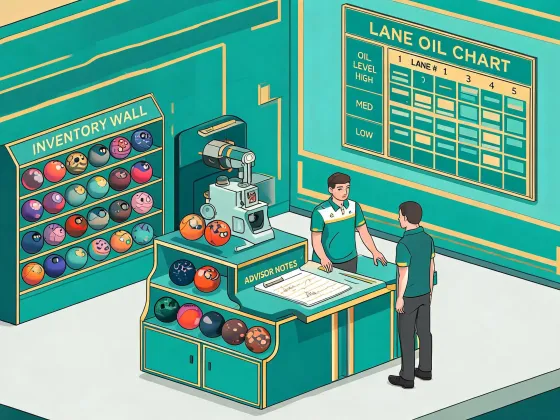
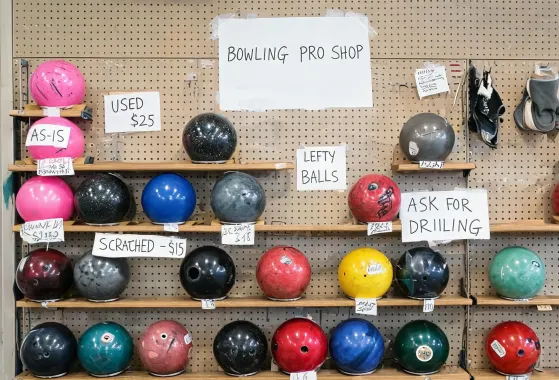
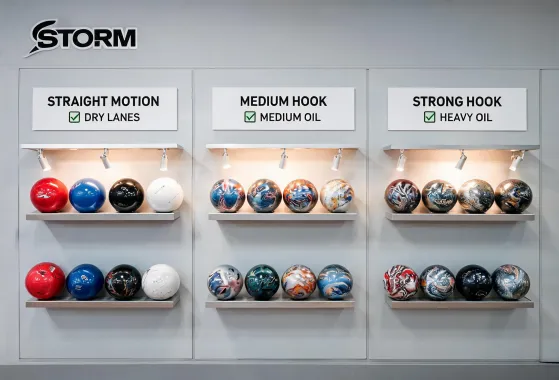
Group by motion shape first: strong early traction, benchmark control, angular transition, urethane control, and spare use. Customers understand fit faster when the wall mirrors lane behavior rather than release date.
Can we quote USBC approval in our marketing?
Yes, but only for specific ball models where approval is listed. Avoid applying USBC approval language to bags, shoes, or generic accessory bundles.
What information improves a custom layout recommendation?
Provide handedness, PAP, ball speed, rev estimate, axis tilt, lane condition, desired breakpoint, and any current ball comparison the player trusts.
How often should demo balls be resurfaced?
High-use demo balls should be cleaned after each session and resurfaced based on lane volume, visible track wear, and whether the ball still shows the intended traction window.
Do we need separate lines for youth and league players?
Usually yes. Youth programs benefit from lighter weights and clear spare options, while league players often need benchmark and transition balls organized by oil volume.
How do centers plan tournament inventory?
Start with oil pattern expectations, anticipated bowler skill, lane count, and event duration. Build inventory around control, midlane read, and late-block transition rather than only new releases.
What should be included in a dealer order note?
Include quantity by weight, surface preference, layout assumptions, accessory tie-ins, event date, and any warranty or service documentation required for staff training.
Can Storm Bowling support multi-site centers?
Yes. Multi-site programs can standardize category language, order cadence, and product education while still adapting layout guidance to local lane surfaces.